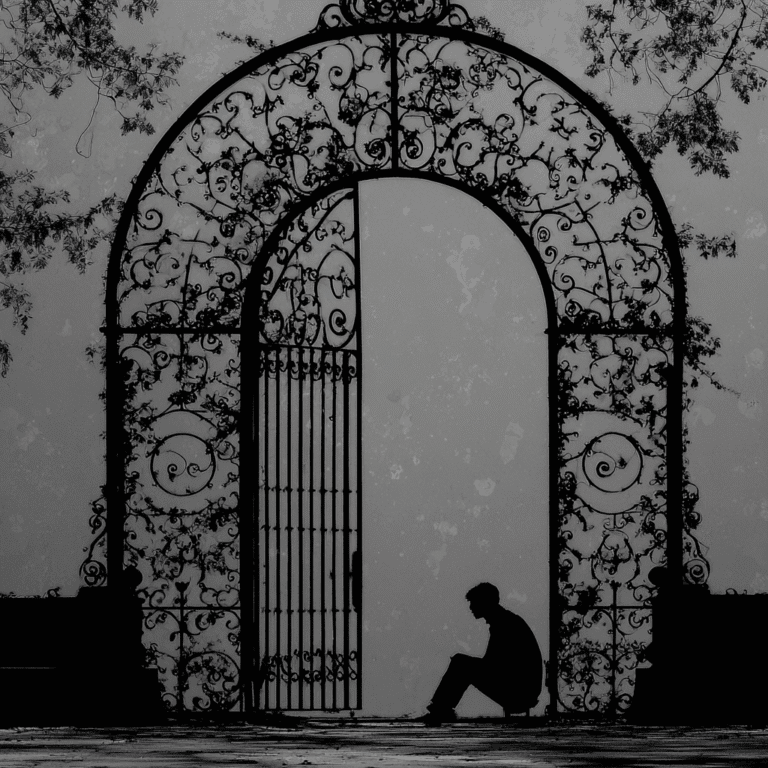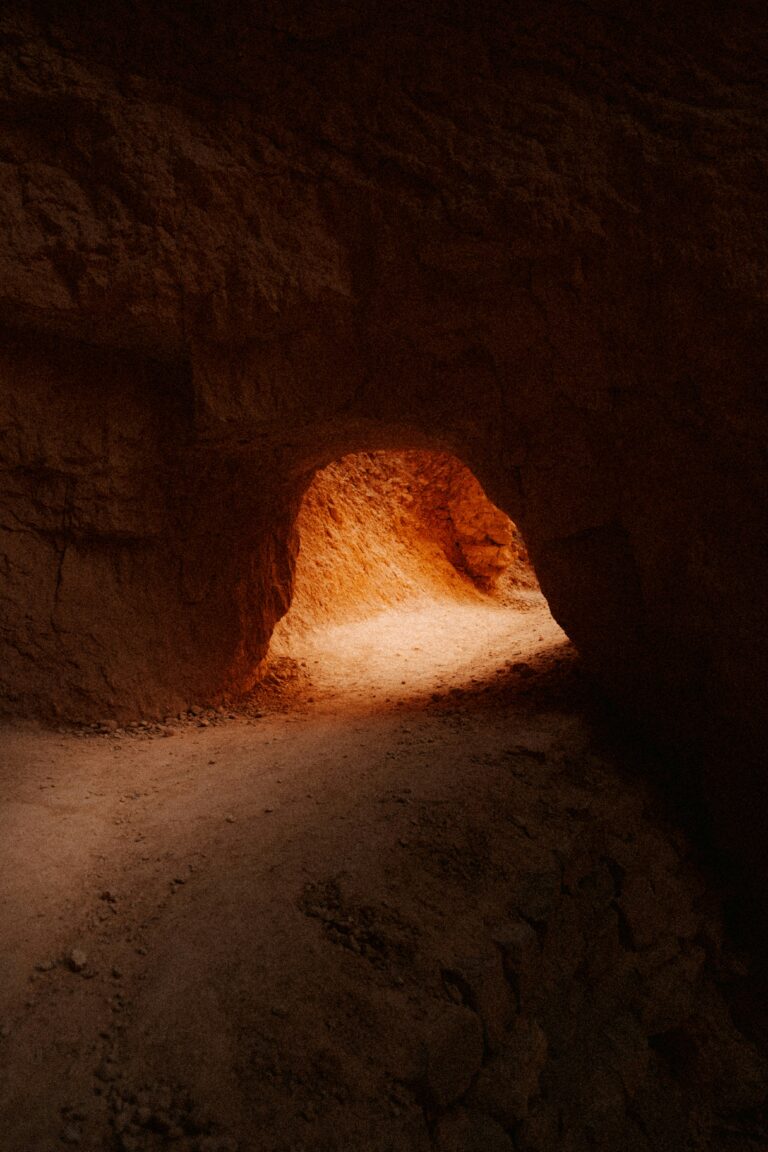
Have you ever stepped out of a dark room into overwhelming light?
At first, everything in you resists. You blink. You pull back. You wonder if you should retreat into the familiar shade.
But if you stay with it—if you let your eyes adjust—you start to see what’s been there all along.
That’s what metanoia is.
Most of us grew up hearing the word repentance and associating it with guilt, pressure, or moral scorekeeping. But the Greek word metanoia doesn’t mean “feel bad about yourself.” It means to see differently—to undergo a transformation of perception.
Metanoia is less about shame and more about sight.
Less about fixing ourselves and more about recognizing that something new is already here.
And Jesus’ first sermon makes that beautifully clear.
“Repent, for the kin-dom of heaven has come near.” — Matthew 4:17
He isn’t scolding. He’s saying:
Open your eyes. A new way of living is breaking in right where you stand.
Seeing Through Love Instead of Fear
Let’s be honest: there are weeks when keeping our hearts open feels nearly impossible. We witness grief, injustice, and confusion swirling around us, and closing our eyes seems easier.
But metanoia invites us to stay awake—not to shame ourselves for our fears or opinions, but to see more clearly through love. This is the kind of seeing that asks us:
- What does the kin-dom of heaven look like here?
- How might love reorient my perspective?
- What is God already doing around me that I’ve overlooked?
Metanoia isn’t about pushing ourselves hard enough to earn belonging. It’s a reminder that God’s invitation meets us exactly as we are—with our nets still in our hands, our doubts still in our pockets, our lives still beautifully unfinished.
Calling Rarely Waits for Certainty
When Jesus walks along the shoreline and calls those first disciples, it comes out of nowhere. There’s no application process. No “Are you sure?” No strategy meeting.
Just a word.
A presence.
A moment of holy interruption.
And something in them says yes.
Maybe following Jesus was never supposed to be about certainty.
Maybe it’s about trust—the kind of trust that says:
“Even if I don’t see clearly yet, I’ll keep walking toward the light.”
That’s the nature of metanoia: it shifts how we see, which shifts how we live.
But that shift isn’t poetic fluff. It’s disruptive in the best way. It asks us to reimagine who we are, how we move through the world, and what we believe God is doing through us.
Ordinary People, Extraordinary Invitation
One of the most stunning parts of the story is who Jesus calls.
Not scholars.
Not spiritual elites.
Not religious insiders.
Just four tired fishers with tangled nets, sore backs, and no clue what’s coming next.
If Jesus believes those ordinary people can join a movement of healing, liberation, and embodied grace… why would we assume we’re excluded?
Calling is not about being ready.
It’s about being willing.
We often imagine God calling us once we’ve sorted out our questions, cleaned up our chaos, or gained the right qualifications. But the pattern of Scripture—and our lived experience—shows something different:
God calls people in the middle of their ordinary lives, not after they’ve perfected them.
A Kin‑Dom That Begins on the Margins
Jesus begins his ministry in what Scripture calls “Galilee of the Gentiles”—a region known for its cultural diversity and political tension. It’s under Roman rule. It’s far from the center of religious authority.
In other words:
The kin-dom begins on the margins, not the center.
And what does that kin-dom look like?
- Healing
- Wholeness
- Liberation
- Mercy
- A love so compelling that crowds flocked toward it
Jesus doesn’t start a movement of belief statements.
He starts a movement of embodied grace—a way of living where healing and justice show up in real time.
Frankly, that’s the story we’re being invited into. Progressive Christianity isn’t a comfortable, tidy faith—it’s a bold, justice-oriented, inclusive way of living that roots us in love.
Love as the Bait of the Call
The late Congressman John Lewis once reflected on why he joined the Civil Rights movement. He said:
“It’s one of the highest forms of love… that you beat me, you arrest me, you almost kill me, but in spite of that, I’m going to still love you.”
That’s fierce, radical, world-changing love.
And that is the love Jesus uses to call us—not guilt, not fear, not pressure.
Love is the bait. Love is the hook.
Metanoia is the transformation that love makes possible.
This kind of repentance isn’t about “stop sinning.”
It’s about start noticing—start seeing ourselves, our neighbors, and our world through the lens of divine love.
Walking Into the Light (Even When It Stings)
Sometimes calling feels like stepping into blinding light. It disorients before it illuminates. But if we stay with it—if we let the light keep revealing—something beautiful happens.
We discover we’re part of a story bigger and braver than we imagined.
Because the kin-dom isn’t a far-off someday.
It’s already breaking in.
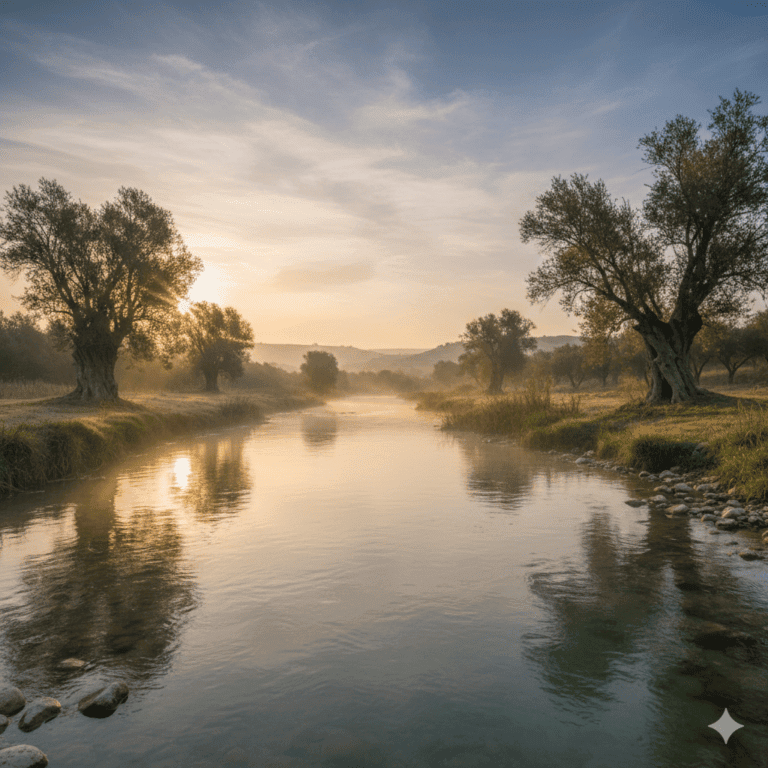
Jesus is still walking along our shorelines.
Still calling our names.
Still trusting us with the work of healing and liberation.
So maybe today’s invitation is simple:
- Be brave enough to loosen your grip on whatever nets you’re clinging to.
- Be curious enough to step toward the light, even if it makes your eyes water.
- Be bold enough to believe that Jesus truly believes in you.
Your calling doesn’t begin when you feel worthy.
It begins now.
Here.
Exactly as you are.
Call to Action
If this reflection spoke to you, share it with someone who could use a reminder that the kin-dom is already breaking in—and that they’re already part of it.