
When You Feel Stuck, You’re Not Alone
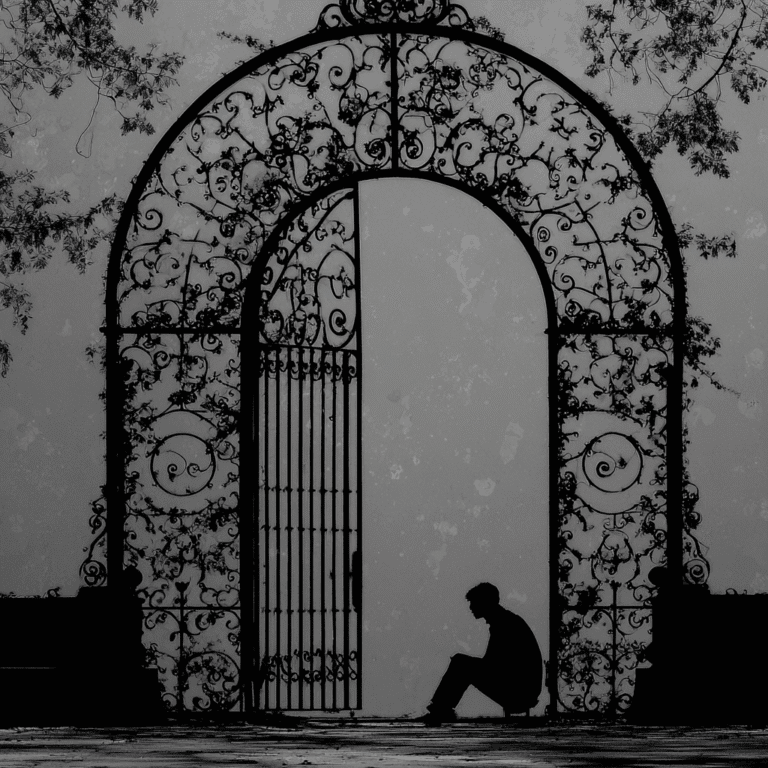
Have you ever found yourself in a season you didn’t choose—closed off, quiet, maybe a little stuck? Grief that lingers. Exhaustion that won’t lift. A version of yourself you’re not sure how to move beyond. The story of Lazarus in John 11 meets us there. When Jesus says, “I am the resurrection and the life,” hope moves from someday to right now—not by erasing pain, but by bringing life alongside it.
When Faith Meets Grief: Jesus Weeps With Us
Mary and Martha believe Jesus can do something about death—and still they grieve. They say the honest part out loud: “If you had been here…” That’s not a failure of faith; it’s what honest faith sounds like when love and loss collide.
Notice how Jesus responds. He doesn’t correct their theology or rush them past tears. He joins them in it. “Jesus wept.” The shortest verse in the Bible is also one of the most revealing: the Holy One does not stand at a distance from human sorrow. Jesus carries divine life and human grief, which means your tears are not obstacles to God; they’re places where God meets you.
If you’ve been taught to hide pain to prove belief—take a breath. In this story, faith and grief hold hands.
“I Am the Resurrection and the Life”—Hope for Right Now
Martha reaches for future hope: resurrection on “the last day.” Jesus doesn’t dismiss that promise, but he pulls it into the present: “I am the resurrection and the life.” Not I will be. Not one day, when everything is fixed. I am.
That reframes resurrection as more than a dramatic, once-for-all moment. Sometimes it looks like:
- A breath you didn’t think you could take.
- A conversation that softens something inside.
- Courage to try one small next step.
Resurrection is God’s life breaking in—quietly, persistently—even while questions remain. If you’re navigating Christian grief or wrestling with faith and doubt, you don’t have to wait until you feel “all better” to belong to life again.
Called by Name: A Quiet, Persistent Invitation
At the tomb, Jesus doesn’t shout general inspiration into the crowd. He calls Lazarus by name. It’s personal. Direct. Relational.
I remember starting a hospital chaplaincy on units I knew little about. I kept thinking, What do I possibly have to offer here? The only thing I knew for sure was that I needed to show up. Looking back, that’s how calling often feels—quiet, repeated, a nudge you resist before you trust it.
If you struggle to name your calling, start here: Divine love is already speaking your name. The invitation is rarely flashy. It’s usually a gentle tug toward presence, compassion, and courage where you actually live.
“Unbind Him”: Why We Need Community to Heal
Lazarus steps out—alive, but still wrapped. That’s the part we don’t always preach: growth is uneven. You can be moving toward life and still carry the bandages of what held you. Doubts that linger. Anger that needs time. Habits that feel familiar even as they loosen.
Then Jesus turns to the community: “Unbind him, and let him go.” Apparently, resurrection is not a solo project. We help one another live. Often it looks beautifully ordinary:
- Sitting with a friend in silence instead of trying to fix it.
- Saying someone’s name when they’ve forgotten who they are.
- Checking in without pressure: “I’m here if you want to talk.”
- Naming a gift in someone they can’t yet see.
- Practicing patience—refusing to rush someone back to “normal.”
If you need that kind of care, ask for it. And if you have capacity, offer it. Christian community is where unbinding becomes possible.
Practice: Small Steps Toward Life Today
You don’t have to manufacture a dramatic comeback. Try one small, concrete step toward life:
- Name your tomb. Write a sentence that describes where you feel stuck—no shame, just honesty.
- Listen for your name. In prayer or quiet, imagine Jesus speaking to you—what word or phrase of encouragement do you hear?
- Choose one unbinding action.
- Send a text: “I’m carrying something heavy—can I share it?”
- Schedule a walk with someone who listens well.
- Create a gentle ritual (a candle, a breath prayer) to mark one new beginning.
- Keep it embodied. Eat something nourishing, stretch, or step outside for fresh air. Bodies matter in resurrection stories.
- Celebrate tiny progress. One step counts. Note it. Thank God for it.
The Takeaway
The Lazarus story doesn’t end with everything wrapped up. It ends with life beginning again, slowly, in community. When Jesus says, “I am the resurrection and the life,” the point isn’t to bypass pain; it’s to meet you inside it with presence, courage, and a way forward.
Reflect: Where might you be hearing your name called toward light—however small the step?
Next step: Share this with someone who needs gentle hope today, and tell them one small practice you’re trying this week.
Featured Image Ideas
- Concept: Morning light streaming through a cave/tomb entrance with soft dust motes—no figure shown, just light breaking in.
- Alt text: “Soft morning light pouring through a stone opening, suggesting new life and hope.”
- Overlay: Semi‑transparent Deep Teal (#2A9D8F) for title text; ensure high contrast.
- Concept: Close-up of gently unwrapped linen around a person’s hands, supported by another pair of hands (diverse skin tones).
- Alt text: “Two sets of hands carefully unwrapping linen from another’s wrists, symbolizing supportive community.”
- Overlay: Charcoal (#264653) text with Warm Coral (#E76F51) accent for CTA.
- Concept: A simple name tag or place card with a handwritten first name illuminated by warm light.
- Alt text: “A name card lit by warm light, representing being called by name.”
Accessibility notes (built in): Short paragraphs, clear H2s, inclusive language, high-contrast color suggestions, and alt-text examples included.