Welcome
Accessibility is not simply a checklist of ramps, captions, large-print materials, or technology.
Those things matter.
But belonging asks a deeper question:
Was this community imagined with people with disabilities already present?
A community shaped by belonging does not treat disabled people as interruptions, projects, inspirations, or problems to solve.
It recognizes disabled people as leaders, neighbors, teachers, worshipers, friends, and essential members of the body.
More on Accessibility and Belonging
Disability Theology 101
Disability theology asks what churches believe about bodies, healing, leadership, access, and the image of God—and what changes when disabled people shape the conversation.
Disability-Inclusive Worship
A practical guide to language, seating, print, hearing access, sensory choice, communion, leadership, and digital participation for churches ready to move beyond good intentions.
What John 9 Says About Disability and Belonging
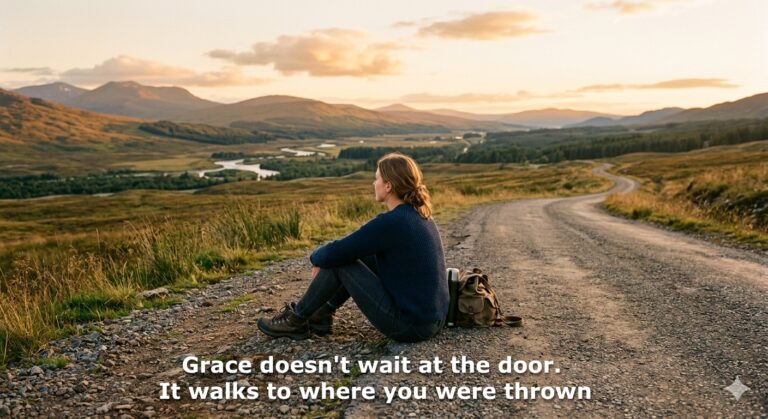
A reading of John 9 that challenges blame, centers the voice and agency of a person with a disability, and shows grace seeking someone pushed out by religious authority.
Keep Exploring Accessibility & Belonging
Disability-Inclusive Worship: A Practical Guide for Churches
A practical guide to accessible worship, including language, seating, print, hearing support, sensory access, communion, leadership, and digital participation.
Why ‘Please Stand’ Is a Theology Problem
A simple invitation to stand can reveal deeper assumptions about bodies, reverence, and belonging. Here are more inclusive ways to invite participation in worship.
How Becoming Legally Blind Changed the Way I Read the Gospel
I’ve prayed for healing the way the man in John 9 must have. It hasn’t come. So what do I do with a Gospel full of people who saw?
What John 9 Really Says About Disability, Grace, and Belonging
John 9 is about more than the restoration of sight. It challenges blame, centers the voice of a person with a disability, and shows grace seeking someone pushed out by religious authority.
Disability Theology 101: Why Your Church Needs This Conversation
Disability theology asks what changes when disabled people are treated not as ministry recipients, but as theologians, leaders, and essential members of the church.
Before You Help Someone Who Is Blind or Has Low Vision, Ask
Before helping someone who is blind or has low vision, ask. This practical guide covers consent, clear directions, mobility tools, church greeters, and respectful assistance.



Begin With One Better Question
nstead of asking:
How can we accommodate someone who arrives?
Ask:
What would we change if we expected disabled people to be part of this community from the beginning?
That change in question can reshape buildings, worship, communication, leadership, and relationships.
Bring This Conversation To Your Community
I speak and lead workshops with churches and ministry leaders about disability, accessibility, inclusive theology, digital participation, and creating communities of genuine belonging.
Take a Look at Your Own Worship
It is one thing to talk about accessibility.
It is another to walk through a Sunday morning and ask what someone else might actually experience.
I created Is Your Worship Actually Accessible?, a free 15-minute Accessibility & Belonging Audit for churches, to help congregations notice the barriers we sometimes stop seeing because we already know how our buildings, worship, and traditions work.
There is no score and no passing grade.
Instead, the audit invites your congregation to look at everything from websites and entrances to worship materials, sound, sensory access, communion, online worship, leadership, and belonging.
And underneath all of it is one question:
If a person with a disability worshiped with us this Sunday, would they leave knowing not simply that we accommodated them—but that we expected them to belong?
Is Your Worship Actually Accessible?
A 15-Minute Accessibility & Belonging
Audit for Churches
10 areas of congregational life
60 practical questions
No score. No passing grade.
Free PDF • 17 pages
Faith, Upgraded.
Faith, Upgraded offers honest, hope-centered reflections for people rebuilding belief without pretending the questions are easy.
Accessibility also shapes how we think about technology and the changing church. Explore Faith and the Future.